
How to Store Homemade Pickles 8 Ways and Keep Them Fresh Longer
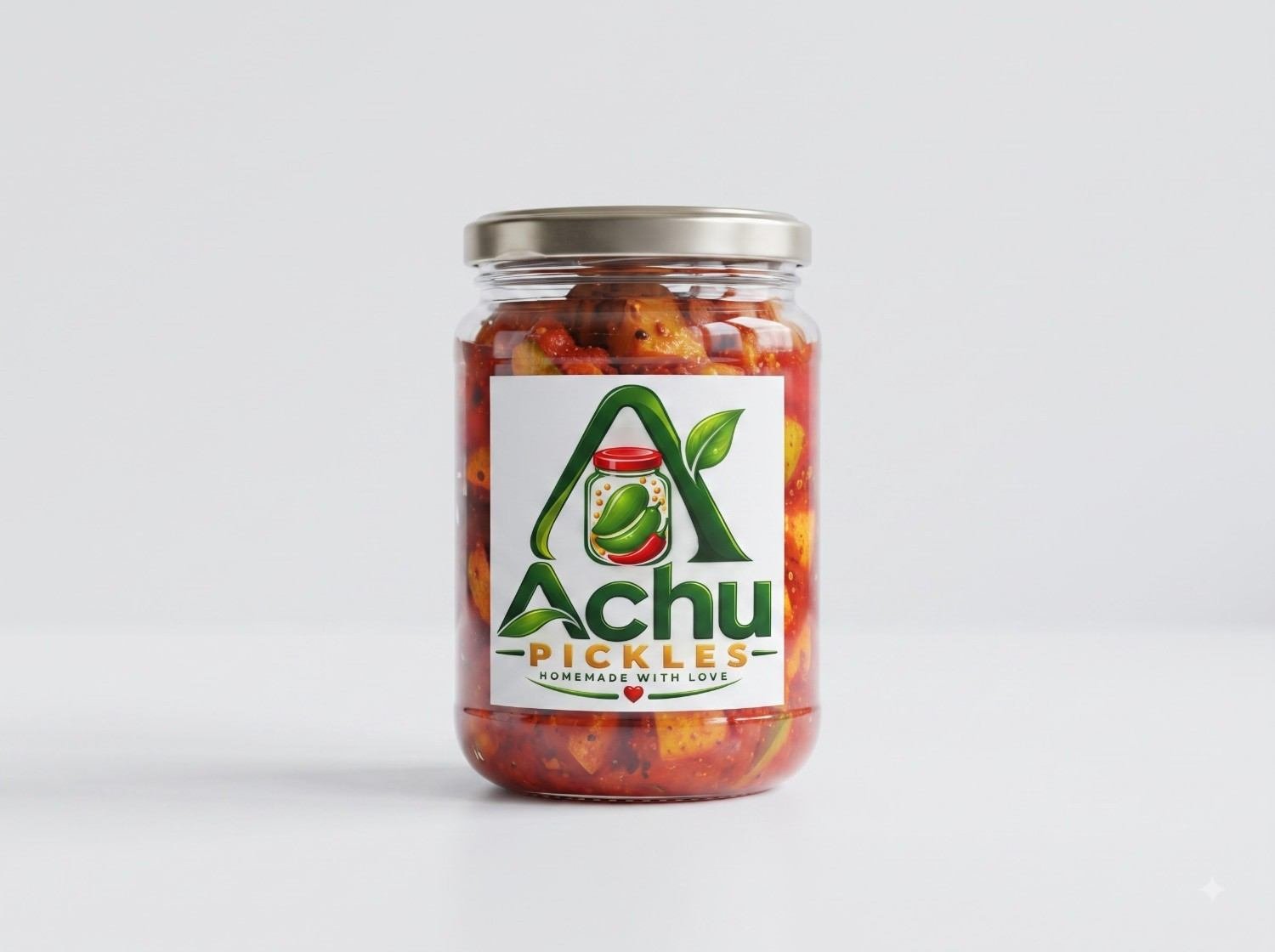
Homemade pickles are a special part of Kerala food. A simple meal of rice and curry can taste even better with a small spoon of spicy mango pickle or tangy lemon pickle. From traditional mango and lemon pickles to garlic, ginger, grapes, chilli, brinjal, and dates & lemon pickles, Kerala has many delicious flavours to enjoy.
But making a tasty pickle is only one part of the process. How to store homemade pickles is equally important.
Proper storage helps maintain the taste, texture, and quality of your pickle during its recommended storage period. A pickle that is not handled properly may be affected by moisture, heat, contamination, or unsuitable storage conditions.
Whether you make your own pickle at home or buy homemade pickles online, knowing the right storage habits can help you enjoy your favourite pickle safely and conveniently.
In this guide, we will explain how to store homemade pickles, how to choose a suitable container, how to handle pickle after opening, common mistakes to avoid, and simple tips for storing Kerala homemade pickles.
Why Is It Important to Store Homemade Pickles Properly?
Pickles are made using different fruits, vegetables, spices, salt, oil, and other ingredients. Each recipe has its own preparation method and storage requirements.
For example, mango pickle and lemon pickle may have different textures and ingredients from grapes pickle or dates & lemon pickle.
Proper storage can help protect your pickle from:
- Unnecessary moisture
- Dust and contaminants
- Excessive heat
- Direct sunlight
- Poor handling
- Unwanted food particles
Good storage also helps you enjoy the flavour and texture of the pickle during its recommended storage period.
The good news is that how to store homemade pickles does not have to be complicated.
With a few simple habits, you can take better care of your pickle.
Use a Clean and Dry Container
The first and most important step in how to store homemade pickles is choosing a clean and dry container.
A clean glass jar with a suitable lid is commonly used for storing homemade pickles. Before filling the jar, make sure it is properly washed and completely dry.
Follow these simple steps:
- Wash the container properly.
- Rinse away any soap residue.
- Dry the inside completely.
- Make sure the lid is clean and dry.
- Only then transfer the pickle into the container.
Never put pickle into a container that still contains water.
Keeping the storage container clean and dry is a basic but important pickle storage habit.
Keep Moisture Away From Homemade Pickles
Moisture is something you should always be careful about when storing pickle.
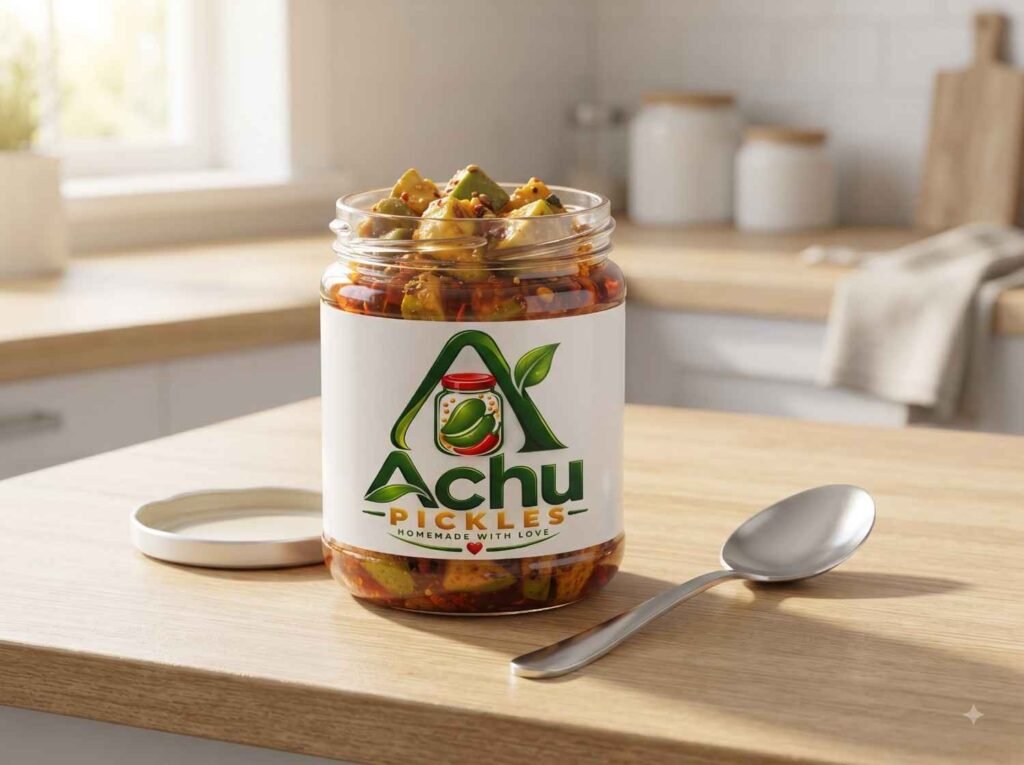
When you take pickle from the jar, use a clean and completely dry spoon.
Avoid using a spoon that is wet or contains leftover food.
For example, if you use a wet spoon to take mango pickle, water can enter the jar. Repeated exposure to moisture may affect the quality of the pickle.
Instead:
- Use a dry spoon.
- Take only the amount you need.
- Don’t touch the pickle with wet hands.
- Close the container after serving.
This simple habit is one of the most useful tips for anyone learning how to store homemade pickles.
Choose a Suitable Airtight Container
After preparing your pickle, keep it in a suitable food-safe container with a properly fitting lid.
A tightly closed container helps reduce unnecessary exposure to air, dust, moisture, and other contaminants.
Every time you use the pickle:
Open the jar → Take the pickle → Close the jar → Store it properly.
Don’t leave the container open while preparing or eating your meal.
A simple routine like this makes homemade pickle storage easier.
Keep Pickles Away From Direct Sunlight
Where you store your pickle also matters.
Avoid placing pickle jars in locations that receive direct sunlight or excessive heat.
For example, avoid keeping them:
- Beside a sunny window
- Next to a hot stove
- Near an oven
- Near heavy cooking steam
- In an area with excessive heat
For packaged products, follow the storage instructions printed on the label.
For homemade recipes, follow the storage guidance provided with the recipe.
A suitable cool and dry location may be appropriate for some pickles, but the correct storage method depends on the specific recipe or product.
Should Homemade Pickles Be Refrigerated?
Many people ask whether homemade pickles should always be kept in the refrigerator.
The answer is not always.
Different pickle recipes use different ingredients, amounts of salt, oil, acidity, and moisture. Because of this, storage requirements can vary.
Some pickles may be stored at room temperature under suitable conditions, while others may need refrigeration, particularly after opening.
If you prepare pickle at home, follow the storage instructions provided with your recipe.
If you buy homemade pickles online, check the product label carefully.
If the label says “refrigerate after opening,” follow that instruction.
Never assume that one storage method is suitable for every pickle.
Always Use a Clean and Dry Spoon
One of the easiest ways to protect your pickle is to use the right spoon.
Keep a clean spoon available for serving your pickle.
The spoon should be:
- Clean
- Completely dry
- Free from leftover food
Do not use a spoon that has just been washed if it still has water on it.
Also avoid using the same spoon that was used for curry, rice, or other foods.
This simple habit helps prevent unwanted moisture and food particles from entering the pickle jar.
If you remember only one tip about how to store homemade pickles, remember:
Always use a clean, dry spoon.
Don’t Put Leftover Pickle Back Into the Jar
Sometimes we take more pickle than we actually need.
If you have already placed pickle on your plate, don’t put the leftover portion back into the main jar.
Food from a plate can contain moisture and other food particles.
Instead, take a small quantity and add more later if needed.
This simple practice helps keep the main pickle container cleaner.
Close the Pickle Jar Immediately After Use
A pickle jar should not remain open for a long time.
After taking the required amount, close the lid properly.
Keeping the jar open unnecessarily can expose the pickle to:
- Dust
- Moisture
- Air
- Food particles
- Other contaminants
Make closing the container part of your regular meal routine.
This is especially important if your family uses pickle every day.
How to Store Different Kerala Homemade Pickles
Kerala has many types of traditional pickles. Each one has a different taste, texture, and recipe.
Here are some popular varieties and basic storage considerations.
How to Store Mango Pickle
Mango pickle is one of the most popular Kerala pickles.
Whether you enjoy green mango pickle or cut mango pickle, store it in a clean, dry container and follow the recipe or product instructions.
Use a clean, dry spoon every time you serve it.
For packaged mango pickle, always check the label for storage instructions after opening.
How to Store Lemon Pickle
Lemon pickle has a strong, tangy flavour and is a favourite with rice and traditional Kerala meals.
Keep the container clean and properly closed.
Use a dry spoon and follow the specific recipe or product storage instructions.
How to Store Garlic Pickle
Garlic pickle has a bold flavour that many pickle lovers enjoy.
Store it in a clean, suitable container and avoid introducing water or other foods into the jar.
Follow the product’s storage instructions if you purchase packaged garlic pickle.
How to Store Ginger Pickle
Ginger pickle has the distinctive flavour of ginger combined with traditional spices.
Keep the container tightly closed and use a clean, dry spoon.
Always follow the recipe or product instructions for storage.
How to Store Grapes Pickle
Grapes pickle offers a different flavour from traditional mango or lemon pickle.
Because recipes can vary, follow the specific storage instructions provided with the recipe or product.
Keep the jar clean and dry and use a dry spoon.
How to Store Chilli Pickle
Chilli pickle is popular with people who enjoy spicy flavours.
Store it in a clean container and keep the lid tightly closed.
Follow the recipe or product instructions for the recommended storage conditions.
How to Store Dates & Lemon Pickle
Dates & lemon pickle combines the sweet taste of dates with the tangy flavour of lemon and traditional spices.
Keep the container clean and dry.
Use a dry spoon when serving and follow the product or recipe instructions for storage.
How Long Do Homemade Pickles Last?
A common question after making pickle is:
“How long can homemade pickles be stored?”
There is no single answer because different recipes have different ingredients and preparation methods.
Storage life can depend on:
- Ingredients
- Salt level
- Acidity
- Oil
- Moisture
- Preparation method
- Storage temperature
- Container
- Hygiene
- Whether the jar is opened
For homemade pickles, follow the recipe’s recommended storage guidance.
For packaged pickles, always check the best-before date and storage instructions.
Don’t assume that all pickle varieties have the same shelf life.
How to Keep Homemade Pickles Fresh After Opening
Once a pickle jar has been opened, proper handling becomes even more important.
Follow this simple routine:
Step 1: Open only when needed
Don’t leave the jar open unnecessarily.
Step 2: Use a dry spoon
Take pickle with a clean, dry spoon.
Step 3: Take a small quantity
Take only what you need for your meal.
Step 4: Close the lid
Close the jar immediately after serving.
Step 5: Store correctly
Follow the storage instructions on the recipe or product label.
Step 6: Check before eating
If the pickle has an unusual smell, appearance, or texture, don’t taste it to check whether it is safe.
These habits make homemade pickle storage simple and easy.
How to Tell If Homemade Pickles Have Spoiled
Even if you know how to store homemade pickles, you should always check the pickle before eating it.
Be cautious if you notice:
- Unexpected mould
- An unusual or unpleasant smell
- Major changes in appearance
- Unusual texture
- Damaged or swollen packaging
If you suspect that a pickle has spoiled, don’t taste it to test it.
When in doubt, it is safer not to eat it.
For packaged products, check the best-before information and storage instructions.
Common Mistakes When Storing Homemade Pickles
Good pickle storage is mostly about avoiding simple mistakes.
Using a Wet Spoon
Problem: Water can enter the pickle.
Better habit: Use a completely dry spoon.
Leaving the Jar Open
Problem: The pickle can be exposed to air, dust, and moisture.
Better habit: Close the lid after every use.
Keeping Pickles Near Heat
Problem: Excessive heat may affect food quality.
Better habit: Keep the jar away from direct sunlight and excessive heat.
Using a Dirty Container
Problem: The container may introduce unwanted contamination.
Better habit: Use a clean, dry food-safe container.
Ignoring Product Instructions
Problem: Different pickles can have different storage requirements.
Better habit: Read and follow the product label.
Returning Leftovers to the Jar
Problem: Food particles and moisture can enter the main container.
Better habit: Take only the amount you need.
Can Homemade Pickles Be Stored in Glass Jars?
Yes, clean glass jars are commonly used for homemade pickle storage.
Glass is easy to clean and can be suitable for food storage.
If you use a glass jar:
- Clean it properly.
- Dry it completely.
- Use a suitable lid.
- Keep the jar closed.
- Avoid moisture.
- Follow the pickle’s storage instructions.
Remember that the container is only one part of proper storage. How you handle the pickle every day is also important.
Why Kerala Homemade Pickles Are Special
Kerala homemade pickles are not just a side dish.
They are connected to traditional cooking, family recipes, and memories of homemade food.
A Kerala meal with hot rice, curry, vegetables, curd, and pickle is a simple combination, but the pickle can bring a strong burst of flavour.
Different families may prepare their pickles differently.
Some prefer more chilli. Some like a stronger sour taste. Others enjoy the flavour of garlic, ginger, grapes, or dates and lemon.
This variety makes Kerala pickle culture special.
Buy Homemade Pickles Online From Achu Pickles
Not everyone has enough time to make pickle at home.
Preparing homemade pickle involves choosing ingredients, cutting or preparing them, mixing spices, and following the correct storage method.
For busy families and pickle lovers, it can be convenient to buy homemade pickles online.
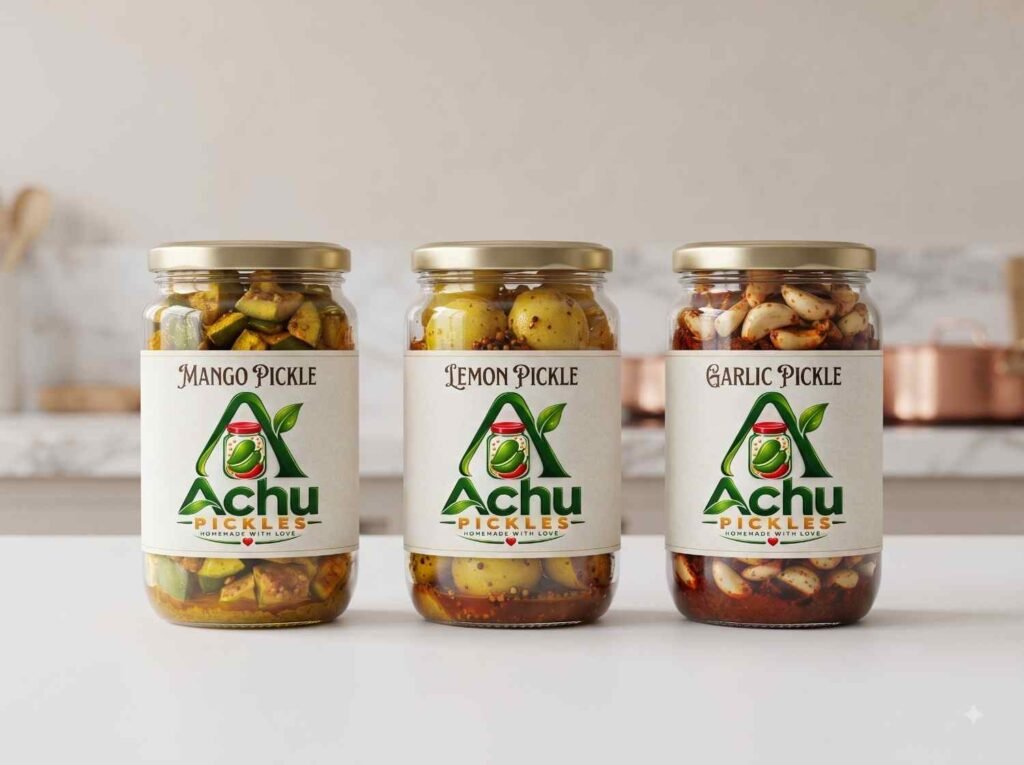
At Achu Pickles, we are inspired by the traditional flavours of Kerala.
Our goal is to bring the familiar taste of Kerala homemade pickles to your table.
From mango and lemon to garlic, ginger, grapes, chilli, brinjal, mixed vegetables, and dates & lemon, there are different flavours for different tastes.
Our simple message is:
Homemade With Love.
If you want to enjoy traditional Kerala flavors at home, explore your favorite varieties and buy homemade pickles online.